
Water quality
Are Plastic Water Tanks Safe for Drinking Water?
Yes — provided the inner surface is food grade and the tank is kept dark, sealed and clean. What "food grade" means, what makes a tank unsafe, and how to tell the difference.
3 min readUpdated
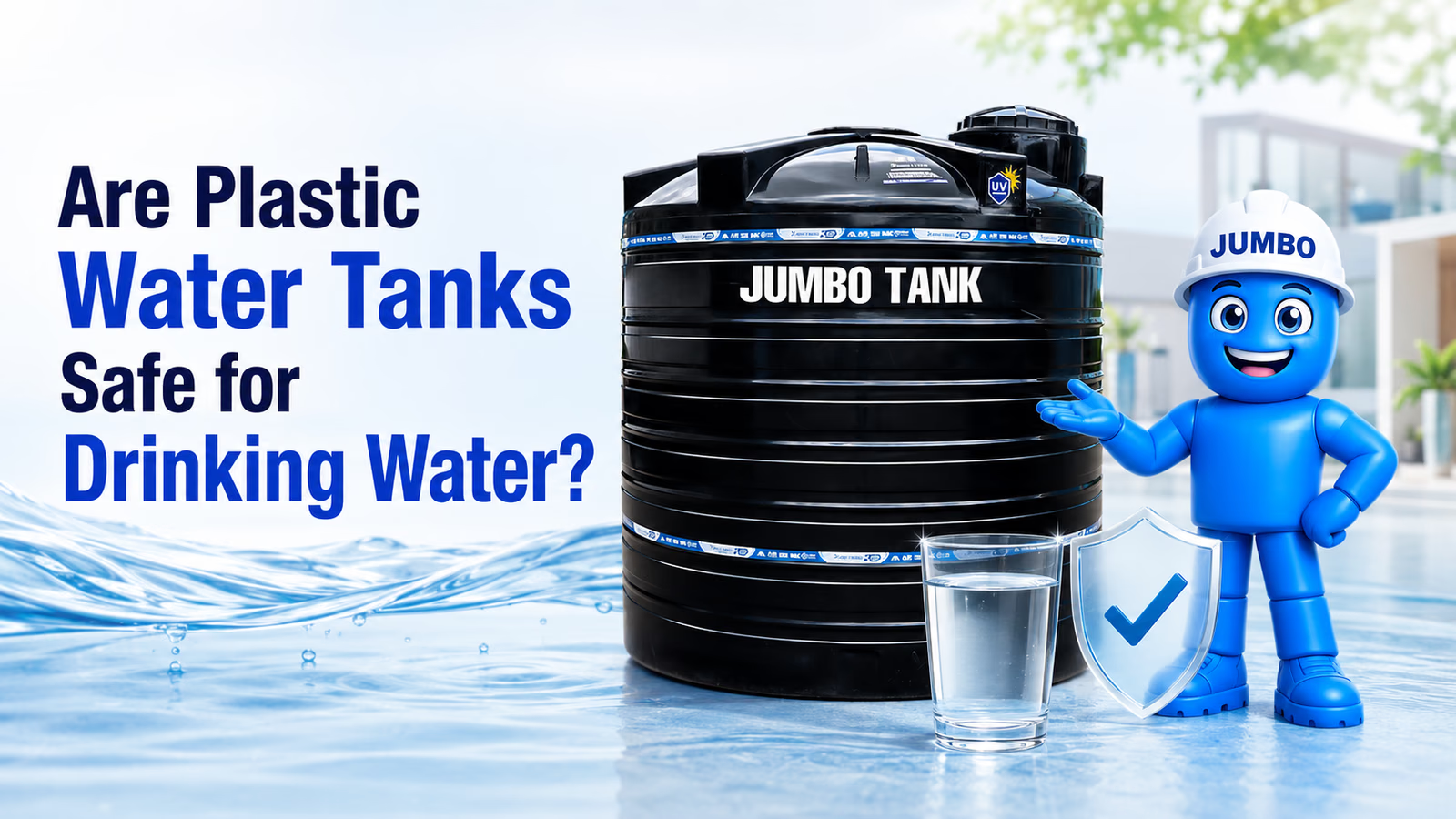
In short: yes, a plastic water tank is safe for drinking water when its inner surface is food grade, the wall keeps light out, and the lid seals. Those three conditions do the work. A tank that fails any of them is a risk regardless of what it is made of.
What "food grade" actually means
Food-grade polyethylene is material approved for contact with food and drinking water. It is non-toxic and does not leach into what it holds.
The distinction that matters in practice is virgin material versus regrind. Virgin polyethylene is new, of known composition. Regrind is reprocessed plastic — cheaper, and you cannot be certain what was in it before. For the layer that touches drinking water, that uncertainty is the whole problem.
Jumbo plastic tanks are moulded with a white food-grade inner layer as the only surface the water meets, bonded to the outer layer during moulding rather than lined afterwards.
What actually makes stored water unsafe
Rarely the plastic. Usually one of these:
Light. Light grows algae. Algae is mostly an aesthetic and taste problem, but a heavy bloom changes the water's chemistry and some species produce toxins. An opaque wall prevents it.
An open or badly seated lid. Dust, leaves, insects, birds, rodents. This is the single biggest contamination route into a domestic tank and it is free to fix.
Heat. Warm water encourages bacterial growth. A tank in permanent full sun runs warmer than one with afternoon shade.
Never cleaning it. Sediment and biofilm accumulate. Twice a year is enough for most homes.
What went in. A tank cannot make water safer than it arrived. Roof-harvested water carries whatever is on the roof; a tanker delivery carries whatever was in the tanker.
Is black plastic safe?
Yes — and it is usually the safer choice. The black pigment in the outer layer is there to block ultraviolet light and stop light reaching the water. It is on the outside. Your water touches the white food-grade layer on the inside.
The concern people are reaching for — chemicals leaching out of hot plastic — is a real one for the wrong materials in the wrong conditions. It is why the inner layer's specification matters and the outer layer's colour does not.
How to tell whether a tank is safe
Ask three questions before you buy:
- What is the inner layer made of? You want "food grade" and ideally "virgin material", not a shrug.
- Is the wall opaque? Hold a torch against it in a dark room if you want to be sure.
- What is the warranty? A manufacturer offering 16 years has to build something that lasts 16 years.
If a seller cannot answer the first question, you have learned what you needed to know.
Keeping it safe after installation
- Keep the lid sealed. Every time.
- Screen the inlet and overflow. Fine mesh, checked occasionally.
- Clean every 6–12 months. Here is the routine.
- Fit a first-flush diverter if you harvest rainwater.
- Treat if you need to. A tank stores water; it does not purify it. If your source needs boiling or filtering, it still needs boiling or filtering.
For schools, clinics and food businesses
The bar is higher, and rightly so. Clean more often, keep a written record of when it was done, and follow your county public health office's guidance rather than a domestic rule of thumb. If you are supplying a facility, tell us at the quote stage — it changes what we recommend.
The short version
Food grade inside, opaque outside, sealed lid, cleaned twice a year. That is a safe tank. The plastic is not the risk; the light and the lid are.